Blankets and quilts are essential bed linens that provide warmth, comfort, and a finished look to a sleeping space. This category highlights various materials, textures, and constructions, from lightweight cotton blends to plush fleece and hypoallergenic fabrics. Understanding fabric types and warmth ratings helps align bedding choices with seasonal needs and personal preference.
Key features to consider include fabric weave, thread count, breathability, and moisture-wicking properties. Natural fibers such as cotton and linen tend to be cooler and more breathable, while synthetic blends may offer added durability and warmth. Quilting patterns, stitch density, and batting thickness also influence insulation and durability over time.
Common uses for blankets and quilts involve layering for temperature regulation, decorative accents, and protection for bedding. A well-chosen quilt can balance weight, warmth, and drape, while a blanket may serve as a versatile throw across different rooms. Consider care requirements, such as machine washability, when evaluating long-term usability.
In this category, examples like Free New Bedcover illustrate how different products combine comfort with practical benefits. Features often include reversible designs, machine-washable fabrics, and allergen-friendly materials. Functional benefits emphasize easy maintenance, longevity, and suitability for varied sleep environments and room aesthetics.
Meta keywords for this topic include bedding, pillows, sheets, duvet covers, and organic mattresses, which reflect the broader context of sleep textiles. When assessing blankets and quilts, relate fabric composition, warmth level, and care instructions to personal sleep needs, room climate, and overall bed coordination, ensuring a cohesive sleeping environment.
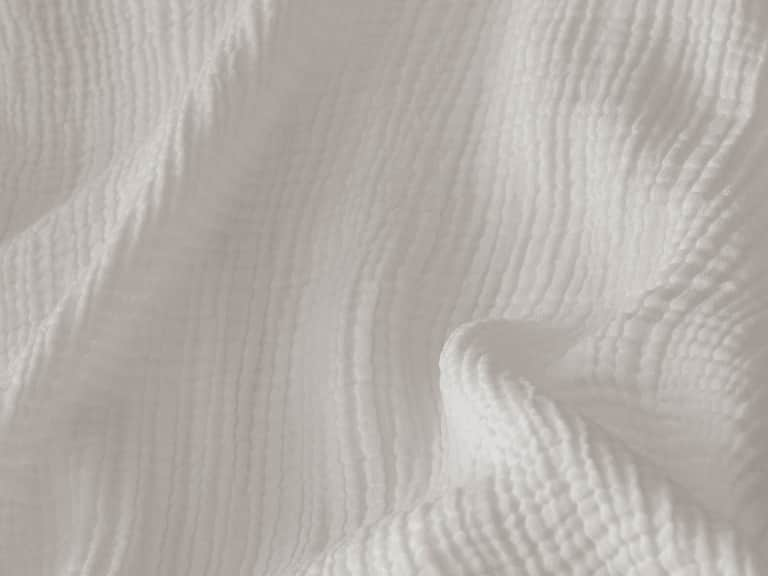 Bedding